
Translation of the French article published on the ASNFD website. The statements and perspective of the source text have been retained.
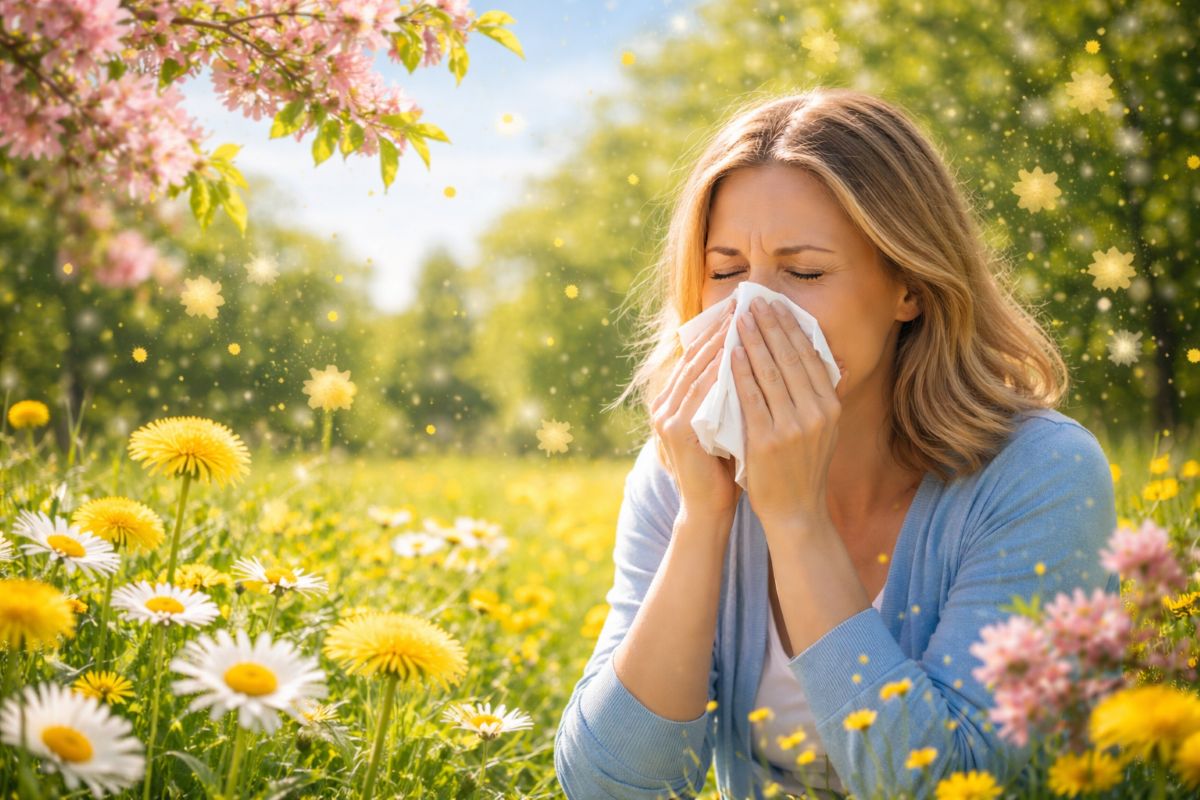
Pollen allergies, also called hay fever or seasonal allergic rhinitis, affect millions of people every year. Symptoms can become particularly troublesome in spring. This article explains the allergy and ways to relieve it.
What is a pollen allergy?
It is an excessive immune response to microscopic particles released by plants, including trees, grasses and other herbaceous plants. When pollen is inhaled, the body treats it as a threat and triggers an allergic response.
Main causes
Triggers vary by season: tree pollen such as birch, cypress and oak in spring; grass and lawn pollen in summer; and herbaceous plants, especially ragweed, in autumn. Aggravating factors include air pollution, climate warming with longer pollen seasons and genetic predisposition.
Symptoms
Symptoms range from mild to severe and include frequent sneezing, a runny or blocked nose, itching of the nose, throat or eyes, red watery eyes from allergic conjunctivitis, fatigue and sleep problems. In some cases asthma may also worsen.
How can symptoms be reduced?
Preventive measures
- Avoid going out early in the morning when pollen concentrations are high.
- Air the home early or late in the day.
- Wash your hair in the evening.
- Wear sunglasses outdoors.
- Avoid drying laundry outside.
Medical treatments
Options listed include antihistamine tablets or sprays, nasal corticosteroids, eye drops and desensitisation, or allergen immunotherapy. Consult a doctor or allergist for an appropriate treatment.
Natural approaches
Possible aids mentioned include saline nasal rinses, nettle or chamomile infusions, local honey with effectiveness varying between individuals, and essential oils used cautiously.
When should a professional be consulted?
Consultation is recommended if symptoms persist or worsen, medicines are ineffective or the allergy affects quality of life. Allergy assessment can identify the pollen responsible precisely.
Pollen allergies are common but can be managed with suitable strategies. Prevention, medical treatments and natural approaches may significantly reduce symptoms and restore everyday comfort.